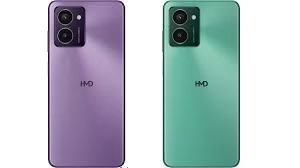




HMD Global is expected to launch the HMD Pulse 2 in early 2025, not long after the first Pulse model arrived last year. The new phone looks like a straightforward upgrade, focusing on better basics rather than big design changes.
Instead of a major overhaul, HMD appears to be refining what it already offers—slightly improved performance, newer software, and better durability for everyday use.
Small but meaningful hardware upgrades
According to leaks, the HMD Pulse 2 will switch to the Unisoc T7250 processor, replacing the older T606 chip used in the current Pulse. While this is still an entry-level chipset, it should offer smoother day-to-day performance and better support for newer hardware features.
One important update is software. The Pulse 2 is expected to ship with Android 15, which could give it a longer update life than many budget phones that launch with older Android versions.
The core specifications are expected to include:
-
A 6.7-inch HD+ IPS LCD display with a 90Hz refresh rate
-
4GB RAM and 128GB internal storage, with microSD card support
-
A 5,000mAh battery with faster 20W charging
-
IP54 dust and splash resistance
Familiar design with practical features
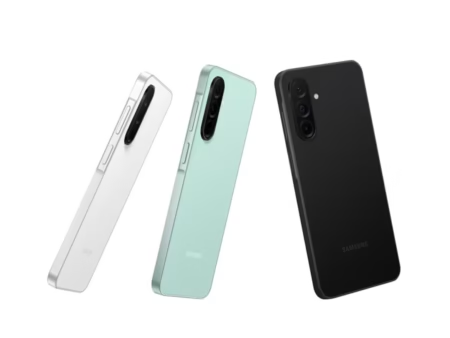
Design-wise, the Pulse 2 is likely to look similar to its predecessor. HMD seems to be sticking with a clean, functional approach instead of flashy styling. The phone is expected to feature a side-mounted fingerprint scanner and a customisable hardware button, which users can set for apps or shortcuts.
For cameras, the setup remains basic but adequate for the price. The rear camera system is tipped to include a 50-megapixel main sensor, paired with a 2-megapixel secondary sensor for depth effects. On the front, users can expect an 8-megapixel selfie camera placed in a punch-hole cutout.
This camera setup suggests the Pulse 2 is aimed at casual photography rather than advanced imaging.
Market Impact & Context
The Pulse 2 comes at an important time for HMD Global. As the company prepares for the end of its Nokia branding agreement in 2026, it is pushing harder to establish its own HMD identity—especially in the affordable smartphone segment.
Rather than competing on raw power, HMD is positioning the Pulse series around reliability, clean software, and practical features. In the $150–$200 price range, the Pulse 2 will go up against phones from Samsung’s Galaxy A lineup and Motorola’s Moto G series.
While the Unisoc T7250 won’t attract performance-focused buyers, upgrades like faster charging and basic water resistance make the phone more appealing for users who care about battery life and long-term use.
What’s next
The HMD Pulse 2 is expected to launch alongside higher-tier Plus and Pro models, as HMD expands its product lineup. Official pricing, launch dates, and availability should become clear soon.
If the leaks hold true, the Pulse 2 looks like a safe and sensible update—aimed at users who want a dependable smartphone rather than cutting-edge features.