






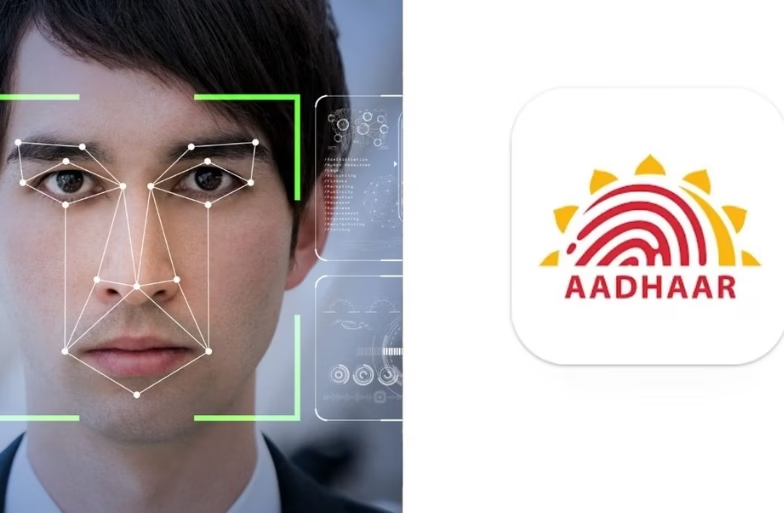
The Indian government has introduced new Aadhaar rules and approved face authentication for Aadhaar identity verification. The updated rules comply with the recent Digital Personal Data Protection (DPDP) Act and will allow offline Aadhaar verification, which does not necessarily need an internet connection. These changes simplify identity checks for entering events, checking into hotels, receiving deliveries, and more.
How Aadhaar Face Authentication Works?
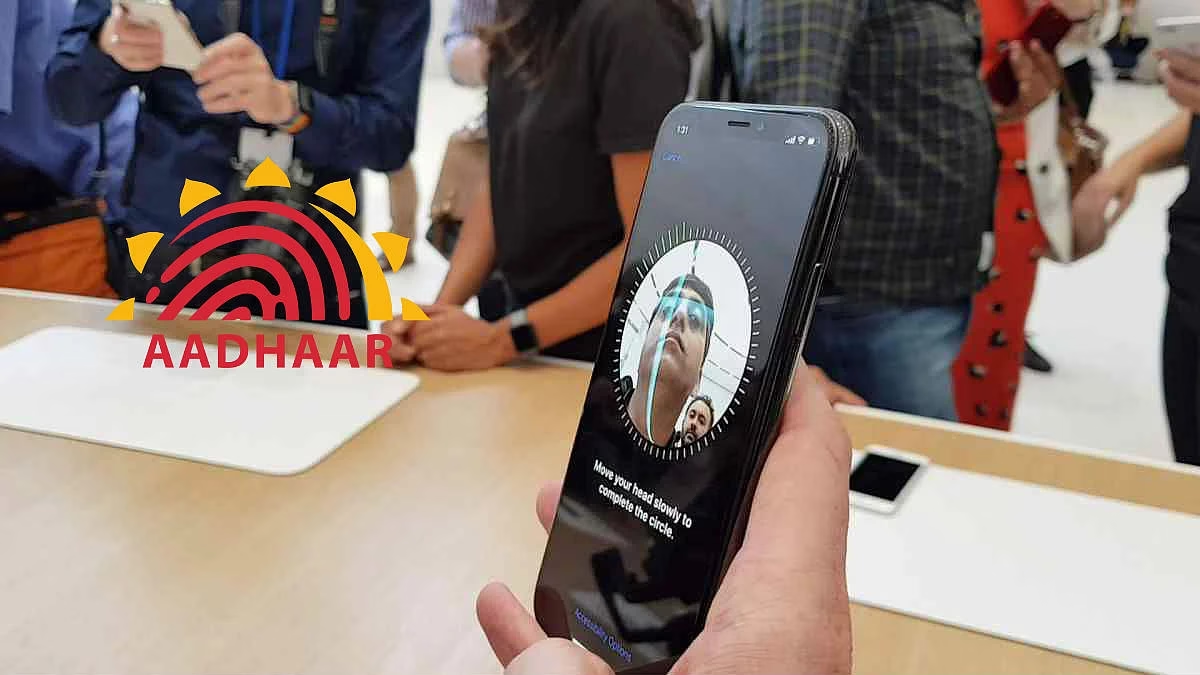
Face authentication lets a person prove their identity by matching their face with the photo in their Aadhaar record. If the face scan matches the enrolment photo, the person’s identity is confirmed. This process now has legal backing and recognition under the Aadhaar rules.
This is similar to fingerprints and one-time passcodes. This method can be useful where other biometrics are hard to use.
What is Offline Aadhaar Verification?
Offline Aadhaar verification allows identity checks without always talking to the UIDAI online server. In this, the Aadhaar data can be shared in a secure & digitally signed format, such as a QR code or e-KYC packet. This reduces dependency on internet connectivity.

Consent And Privacy Protections
A key part of the new system is consent. Aadhaar holders must be told:
- Why is their data being checked?
- What information will be shared?
- That they can refuse to take part
People can choose to share only limited details like age or a photo instead of their full identity data. And no one can be forced to use Aadhaar if they do not want to.
These updates are important because Aadhaar is already widely used for identity checks in India. But earlier, face-based checks did not have clear legal support, and offline verification was limited. The new rules strengthen both.
Share your views in the comment section!