


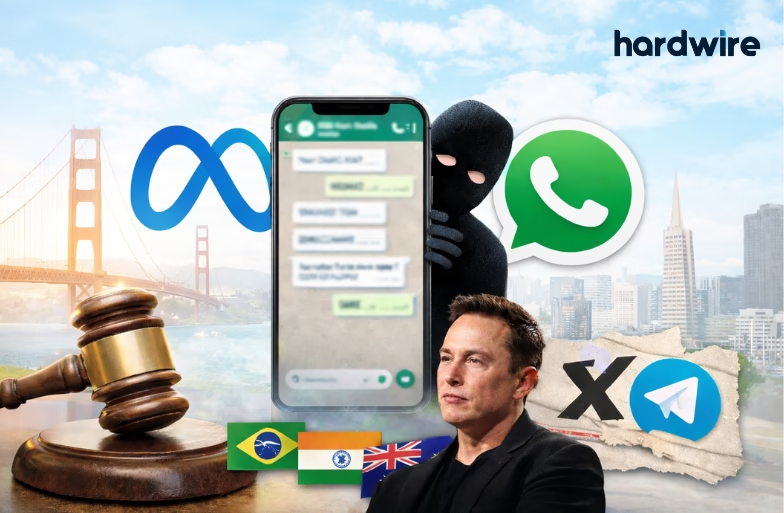
A legal storm began brewing in San Francisco when a group of users took Meta Platforms Inc. to court. They claimed that Meta could peek into private WhatsApp chats. The accusation instantly drew global attention, especially since WhatsApp has long promised that only the sender and receiver can ever read their messages.
What The Lawsuit Alleges About WhatsApp Privacy Breach
The lawsuit says Meta and WhatsApp misled billions of users by claiming WhatsApp chats are fully private. It points to an unnamed internal whistleblower who said that engineers can use internal tools to view messages. The complaint says employees could request access and then see chat contents tied to a user’s unique ID.
The lawsuit includes accusers from countries such as Australia, Brazil, India, Mexico and South Africa. It covers users around the world, but excludes some regions such as the United States and Canada due to WhatsApp’s arbitration rules.
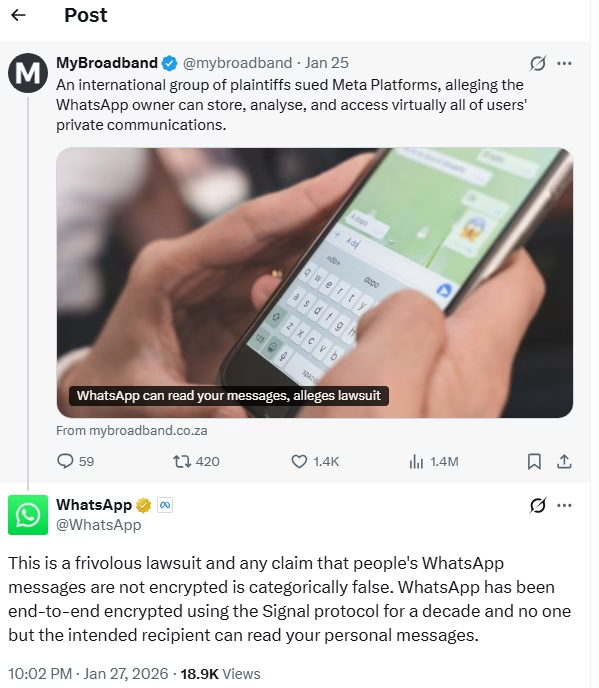
WhatsApp’s Response to X
On the social platform X, WhatsApp executives called parts of the lawsuit and related social media posts totally false. They noted that the legal team behind the suit has past ties to disputes with WhatsApp’s security.
Why This Case Matters To Users
The lawsuit has raised serious concerns about privacy on one of the world’s most used messaging apps. WhatsApp says more than 2 billion people rely on the service. If users lose trust in its privacy claims, many may consider alternatives such as Signal or Telegram.
Moreover, Tech figures, including Elon Musk and Telegram’s CEO, have weighed in on the debate online. They have questioned how secure WhatsApp really is. Meanwhile, WhatsApp has also introduced new features such as stricter security modes to protect users from cyberattacks as part of its ongoing focus on safety.
Conclusion
The lawsuit will now move through the U.S. legal system. It could take months or years before courts decide whether WhatsApp’s privacy claims were misleading. For now, WhatsApp insists its encryption works as promised and that Meta cannot read private chats. But the case has ignited fresh debate about digital privacy and how much users can trust messaging platforms with their personal information.
