


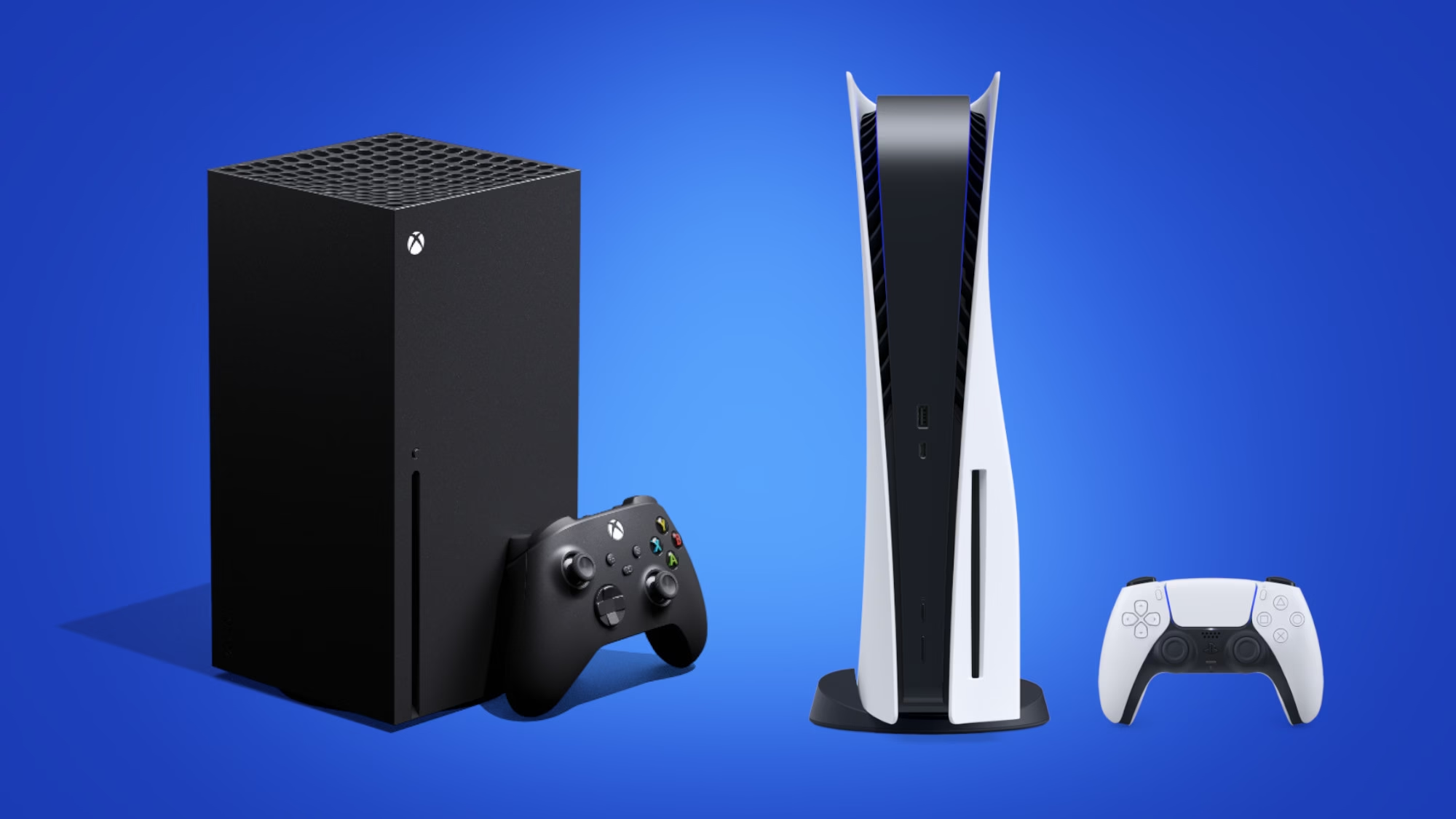
Gamers expecting the PlayStation 6 or the next Xbox to arrive in 2027 might need to be patient. For a while, industry whispers pointed to that year as the start of the next generation. But new reports suggest that the explosion of the artificial intelligence sector is creating a supply chain traffic jam that could push those plans back.
The RAM Shortage
The root of the problem is memory. The massive data centers powering AI models require incredible amounts of high-speed RAM to function. This sudden, insatiable demand has created a global shortage, sending the price of memory chips soaring.
According to a report from Insider Gaming, this is causing serious concern within Sony and Microsoft. Both companies need affordable memory components to build powerful consoles that average people can actually afford. With AI giants buying up the available supply, the cost to manufacture a new console is rising fast.
Rethinking the 2027 Timeline
Faced with these rising costs, executives are reportedly discussing a delay beyond the 2027-2028 window. The logic is purely financial. If they launch a console when component prices are at their peak, they face a difficult choice: sell the hardware at a painful loss, or set a price tag so high that it alienates their core audience.
By pressing pause, manufacturers hope to buy time. The expectation is that RAM manufacturers will eventually build enough factories to meet the demand from both the AI and gaming sectors, allowing prices to stabilize.
No More Cheap Hardware
This situation highlights a breakdown in the traditional console business model. Usually, companies like Sony sell boxes at a loss or break-even price to build a user base, making their real money on game sales and subscriptions later.
That strategy is failing in the current economy. We have already seen the PlayStation 5 and Xbox Series X get more expensive over time—something that almost never happened in previous generations. Microsoft has already hinted that its next machine will be a “premium” experience, suggesting the days of the $400 flagship console may be over for good.
Market Impact & Context
This potential delay shows just how much the gaming industry’s status has changed. A decade ago, console launches drove chip innovation. Today, gaming is fighting for scraps against the much wealthier AI industry.
If the next generation is delayed, the current PS5 and Xbox Series X lifecycle will stretch to seven or eight years. This puts immense pressure on game developers to squeeze performance out of aging hardware, and it likely gives PC gaming a leg up, as enthusiasts are often more willing to pay premium prices for the latest parts.
Conclusion
While nothing is official, the writing is on the wall. Until the global memory market calms down, the next generation of gaming remains in limbo.
