




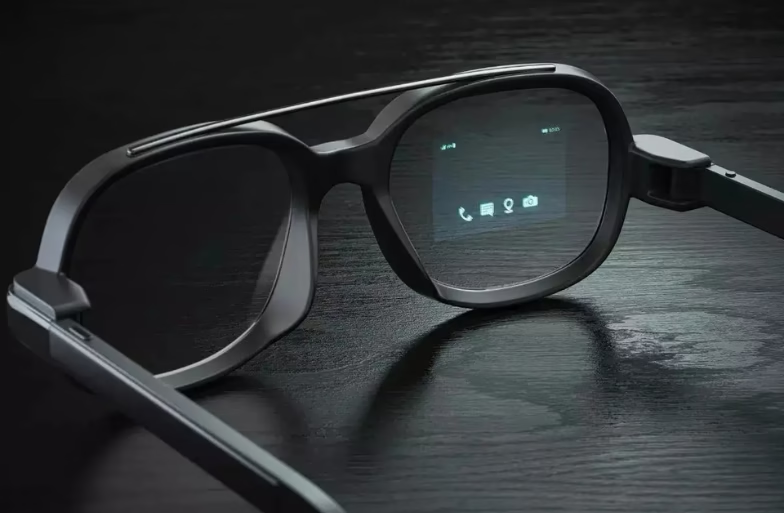
Google is set to return to the smart glasses market with its Gemini AI-powered glasses. The company confirmed that the launch will take place in 2026. The announcement came as part of an update to the Android XR ecosystem. It highlighted new features for Samsung Galaxy XR headsets and Google’s upcoming glasses line.
To know the full story, read the complete article below!
All about Gemini AI Glasses
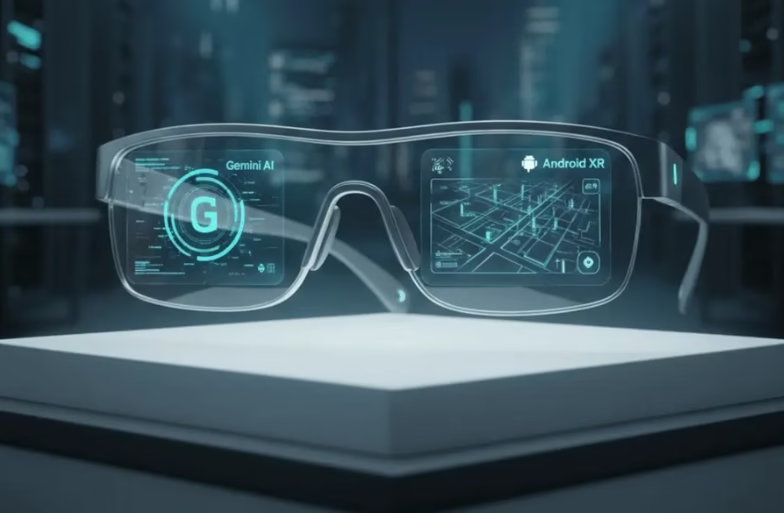
The upcoming Google Gemini glasses are expected to combine artificial intelligence with augmented reality (AR) capabilities. This will allow users to access information, notifications and AI-powered assistance directly through a lightweight wearable device. The glasses would also offer a hands-free experience where the device acts as an extension of the phone.
The move signals Google’s renewed push into the wearable tech space, following earlier efforts with Google Glass, which had limited adoption. The company aims to offer a practical, everyday wearable that feels natural and integrates smoothly with other devices.

How Do The Glasses Connect To Other Devices?
The smart glasses run on the Android XR platform. They pair wirelessly with your smartphone. The phone handles the heavy processing, while glasses work as sensors (camera, mic, speakers).
Are Final Specifications Or Price Available Yet?
No. As of now, Google and its partners have not shared final specs or pricing for the Gemini AI Glasses. Details such as battery life, display resolution (for display‑enabled models), regional availability and cost remain unannounced.
Why Is Google Launching These Glasses?
Advances in AI and XR technology have made smart glasses more viable and useful. Google sees an opportunity to offer everyday, hands‑free AI help like navigation, translation, and reminders through glasses. They aim to build wearables that feel natural and integrate smoothly with phones and other devices.
In summary, while final specifications and pricing remain under wraps, the Gemini AI Glasses aim to offer practical, everyday AI assistance that builds on advances in XR technology and Google’s vision for natural device integration.