






I’ve been tracking the Indian EV shift for a while now, and the numbers are finally getting serious. As of March 2026, electric vehicles have carved out a 4.2% market share—and let’s be honest, Tata Motors has been carrying that entire segment on its back.
But they aren’t just sitting around. I’ve been digging through their upcoming roadmap, and honestly, the scale is massive. We’re looking at everything from cheap city runabouts to high-end luxury SUVs packed with Jaguar Land Rover’s DNA. Long story short, here is how Tata plans to keep everyone else in the rearview mirror.
The Icon Returns: Sierra.EV (Launching May 19)
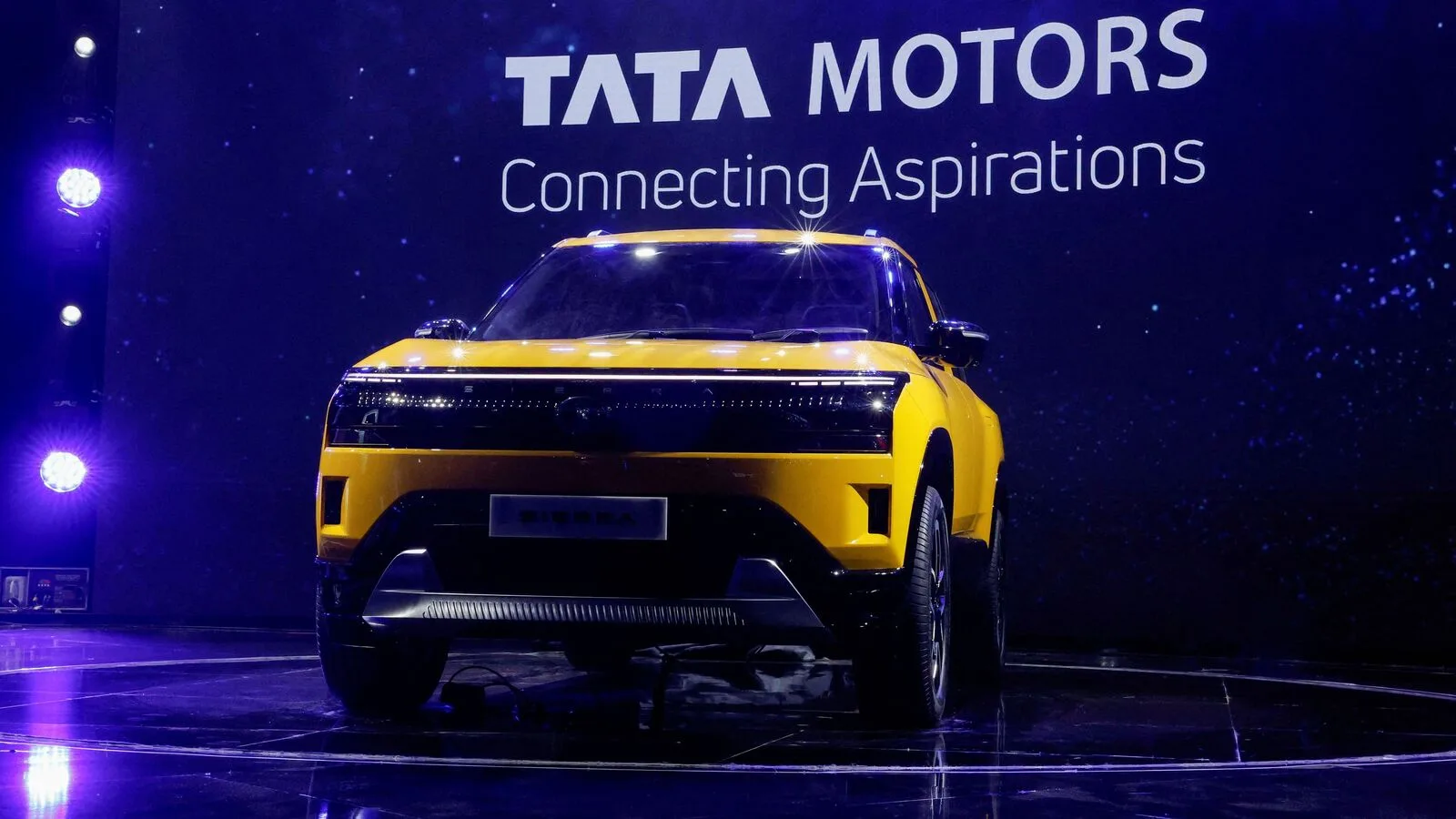
This is the one I’m most excited about. The Sierra nameplate is legendary, and its electric avatar is hitting showrooms on May 19, 2026.
-
Design: It keeps the “cool” factors of the concept—the tall stance, panoramic rear glass, and flush door handles. It looks like a proper modern SUV.
-
Performance: It’s built on the ARGOS platform and will likely offer 55kWh and 65kWh batteries.
-
The Big Win: Tata is offering a dual-motor AWD setup from day one. If you want an electric SUV that can actually handle more than just a mall parking lot, this is it.
-
Why it matters: It bridges the gap between the compact Punch and the premium Harrier, giving buyers a rugged, nostalgic, yet high-tech option.
Dominating the Budget Space: Tiago.EV Facelift
Tata knows that volume comes from the entry-level market. The Tiago.EV is getting a much-needed refresh to take on the MG Comet.
-
Subscription Model: They are likely introducing Battery as a Service (BaaS). This is a game-changer because it drops the upfront cost of the car significantly.
-
More Range: Expect bigger battery packs to replace the current 19.2kWh and 24kWh units.
-
Why it matters: Lowering the entry barrier with BaaS could finally make EVs the “default” choice for first-time car buyers in India.
The Family Hauler: Safari.EV
Coming around the 2026 festive season, the Safari is going electric.
-
Specs: It’ll use the Acti.ev+ platform and could feature a massive 80kWh battery pack.
-
The Drive: Lower trims get Rear Wheel Drive, while the top-spec models get AWD.
-
Why it matters: It’s aimed directly at the Mahindra XEV 9e. If you have a big family and want to go green without sacrificing luxury, this is your target.
The Luxury Leap: Avinya & JLR Tech
This is where things get “Digital Trends” levels of high-tech. Tata is launching the Avinya range (P1 through P5) to compete in the luxury space.
-
The Secret Sauce: These cars will use a localized version of Jaguar Land Rover’s EMA platform.
-
The Tech: It’s a “skateboard” platform, meaning the floor is flat, the cabin is huge, and it’s built from the ground up for software-driven features.
-
Why it matters: This isn’t just a Tata with a better interior; it’s basically JLR engineering at a more accessible price point.
The Backbone: Agratas Battery Tech
You can’t lead the EV race if you don’t own the batteries. Tata’s battery arm, Agratas, is finishing up massive plants in the UK (40 GWh) and Gujarat (20 GWh).
-
Local Sourcing: Once the Sanand plant in Gujarat goes live next year, the cost of Tata’s EVs should drop while performance improves.
-
Global Supply: These batteries will power everything from your local Tiago to a high-end Land Rover.
My Take: Tata isn’t just selling cars anymore; they’re building an entire ecosystem. By controlling the battery production and leveraging JLR’s brains, they’re making it very hard for anyone else to catch up.


