


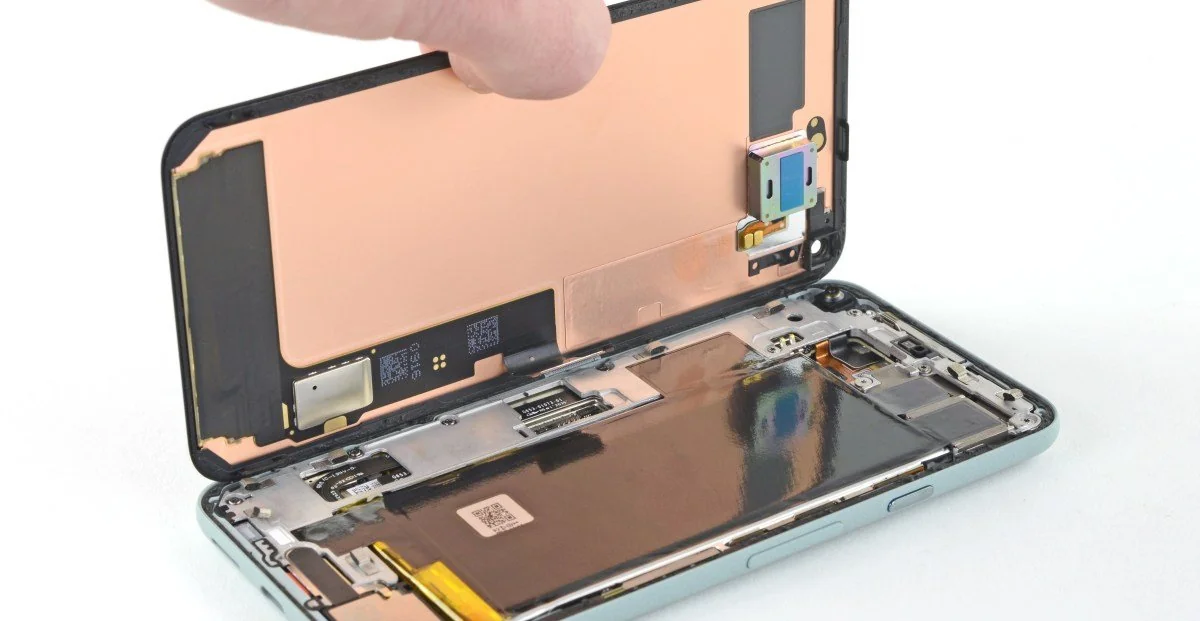
I’ve been following the “Right to Repair” scene for a long time, but honestly, this is the big one. The EU just dropped a massive reality check on the entire phone industry, and trust me, the shockwaves are going to hit everyone. We aren’t just talking about minor tweaks here. Between June 2025 and early 2027, we’re looking at a complete rethink of how phones are actually built. Long story short: the days of disposable tech are officially numbered.
If you’ve ever retired a perfectly good phone just because the battery died, you’ll want to pay attention to this.
The 2027 Battery Revolution
This is the “Major First” everyone is talking about. By February 2027, the EU is requiring that you—yes, you—must be able to replace your own phone battery at home using basic, everyday tools. No more expensive service centers or heat guns required.
-
Longevity: Batteries must now retain 80% capacity even after 800 charge cycles.
-
DIY Friendly: Devices must be designed for easy opening without specialized, proprietary equipment.
Why it matters: Battery health is the #1 reason people upgrade. If you can swap a $30 battery in 10 minutes after three years, your $1,000 flagship could easily last you six or seven years.
A Decade of Support
Apple and Samsung are going to have to get used to keeping old stock around. The new mandate forces brands to keep the lights on for older models long after they’ve left the shelves.
-
Parts Availability: Spare parts must be available for up to 10 years after a phone launches.
-
Fast Shipping: Key components must reach you or a repair shop within 5-10 working days.
-
Open Source Repair: Brands must provide public access to official repair manuals and cannot block independent shops from fixing your device.
Why it matters: This effectively kills “planned obsolescence.” When parts are guaranteed for a decade, a cracked screen in 2030 won’t mean your 2026 phone is a paperweight.
The New “Repairability” Label
Buying a phone is about to look a lot like buying a washing machine. Every phone sold in the EU will soon feature a label detailing its battery life, efficiency, and a repairability score.
-
Transparency: You’ll see exactly how easy (or hard) a phone is to fix before you swipe your card.
-
Durability Benchmarks: Strict new standards for how much a phone can survive before it’s allowed on the market.
The Global Ripple Effect
You might be thinking, “Look, that’s just a Europe thing,” but history says otherwise. Think of it this way: remember the whole USB-C drama? The EU forced that move, and Apple didn’t just swap the ports for people in Paris. They rolled it out for everyone from New York to New Delhi. It’s just too much of a headache for brands to build two different versions of the same phone, so whatever happens in Europe usually ends up in your pocket, too.
Building two different hardware versions is too expensive for brands like Xiaomi or OnePlus. If they have to make a “repairable” phone for Europe, that’s likely the phone you will be holding in your hand next year.
The Trade-off: Slimness vs. Serviceability
To be honest, there’s going to be a bit of a learning curve here. We’ve spent a decade chasing “thin at all costs,” but that’s about to change. To make batteries easy to swap, your next phone might feel a little chunkier in the hand. Plus, brands are going to have to get really creative with seals and gaskets to keep that IP68 water resistance. Without that permanent glue holding everything together, making a phone “dunkable” just got a whole lot harder.
Look, I’m already planning to tear these things down the second they hit my desk. I’ll be posting videos of the first “EU-compliant” phones to see if they’re actually as easy to fix as promised or just a headache in disguise.
Here’s the big question, though: Are you actually pumped to finally have some control over your hardware again? Or, honestly, do you still prefer those super-slim, glued-shut designs we’ve all gotten used to? Drop a comment and let me know where you stand.

