


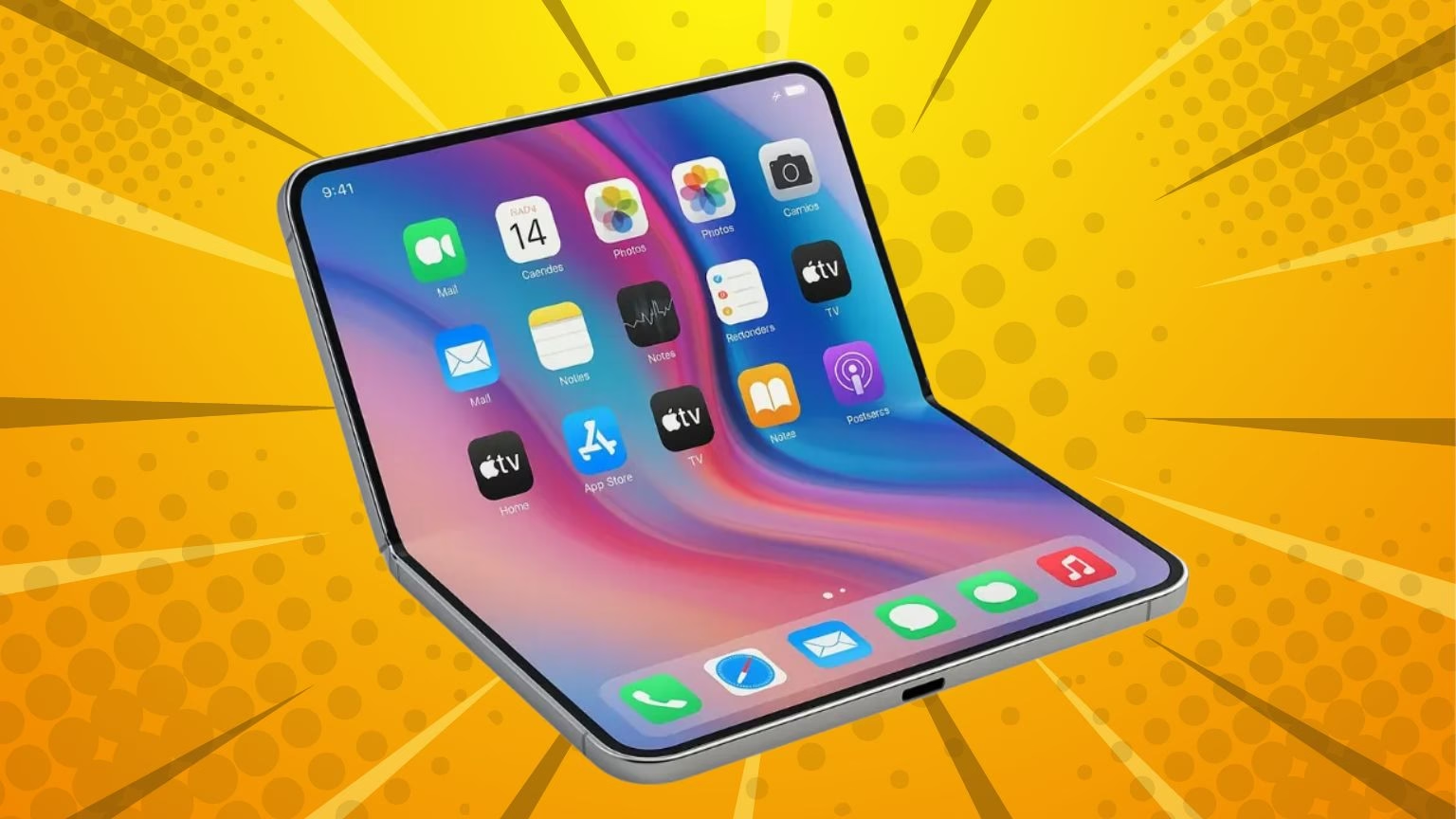
After years of testing and rumours, we now have the clearest idea yet of what Apple’s first foldable iPhone could look like. New leaks based on design schematics suggest Apple is planning a 2026 launch—and the company is taking a very different approach from early foldable phones.
Instead of a tall and narrow design, Apple seems to be going for a wider, more practical “passport-style” foldable.
Apple Is Focusing on Comfort and Usability
The biggest design choice Apple is making is the screen shape. While phones like Samsung’s Galaxy Z Fold are tall and narrow when closed, Apple’s foldable is expected to be shorter and wider, similar to the Google Pixel Fold.
According to leaks:
-
The outer screen will be around 5.5 inches
-
When opened, it becomes a 7.8-inch tablet-like display
This wider design should feel more like a normal iPhone when closed, making typing and everyday use easier. Many current foldables feel too narrow, and Apple seems determined to avoid that problem.
The design may look similar to a rumored Samsung “Wide Fold”, but Apple will likely keep its signature style with rounded corners instead of sharp edges.
Apple Wants to Eliminate the Foldable Screen Crease
One major reason Apple has waited so long to enter the foldable market is the visible crease found on most folding screens.
To fix this, Apple is reportedly using:
-
A new hinge made with liquid metal
-
A special pressure-spreading plate under the display
This setup should support the screen better when it’s open, making the surface feel flatter and smoother. Apple is also said to be using a thinner touch layer, which could improve responsiveness and reduce display thickness.
If this works as planned, Apple’s foldable could have one of the least visible creases in the industry.
Very Thin Design With Powerful Hardware
Despite the complex hinge, Apple is reportedly aiming for an extremely thin body:
-
9mm thick when folded
-
Just 4.5mm when opened
That would make it thinner than many current foldables, including Google’s Pixel Fold.
Inside, the phone is expected to use:
-
Apple A20 Pro chip, built on advanced 2nm technology
-
Apple’s own C2 modem for connectivity
Because of space limitations, Apple may skip Face ID and instead bring back Touch ID built into the power button.
Why This Foldable iPhone Matters
Apple’s decision to go with a wider design confirms a growing trend in the foldable phone market. Devices like the Pixel Fold and OnePlus Open have shown that users prefer phones that feel normal when closed.
By waiting until 2026, Apple is clearly aiming to launch a fully polished, premium product, not an experimental one. With advanced materials and next-gen chips, the foldable iPhone is expected to sit firmly in the ultra-premium price range.
If Samsung also launches its rumored Wide Fold, 2026 could see a direct Apple vs Samsung showdown, potentially setting a new standard for foldable phone design.
What Happens Next?
As the launch gets closer, attention will turn to display suppliers like Samsung Display and LG Display. Large panel orders usually show up 6–8 months before mass production, which could give us the next big confirmation.
For now, all signs point to Apple entering the foldable market on its own terms—later, but more refined than the rest.
