


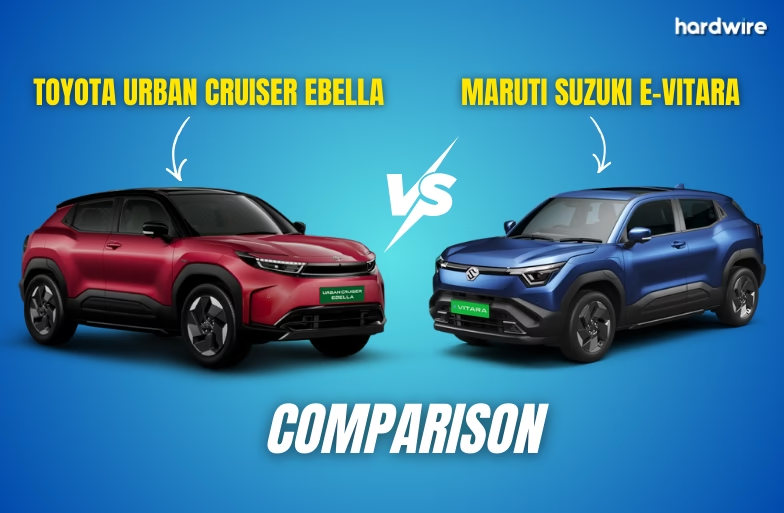
As the electric segment continues to reach new heights in the Indian market, leading carmakers are leaving no stone unturned to offer fresh options to customers. One of the biggest players, Toyota, has also jumped into the vertical, finally and has unveiled its new electric offering called Urban Cruiser Ebella.
Toyota Urban Cruiser Ebella vs Maruti Suzuki e-Vitara
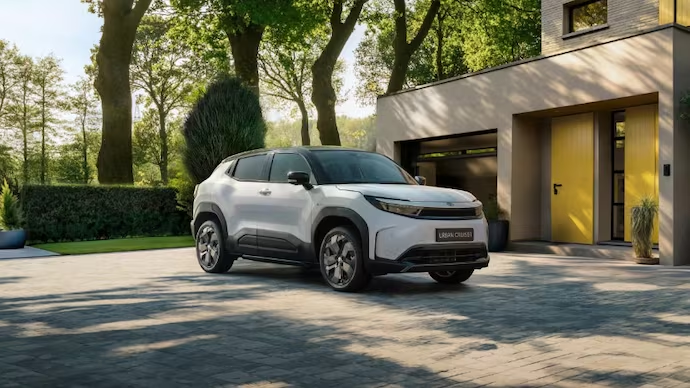
It is essentially a rebadged version of the Maruti Suzuki e-Vitara, thanks to a formal cross-badging agreement between the two brands. While both models carry different design identities, they share a lot in common under the skin. Let’s break down the key elements to understand them better.
Pricing Expectations
First things first — pricing. This could have been a major deciding factor for the masses. Unfortunately, both companies have kept the details under wraps as of now.
Toyota’s strategy of keeping the price as a surprise element is understandable, as the product is completely new. However, Maruti Suzuki’s case has raised several questions among customers, considering the e-Vitara has been around for quite some time.
Putting all questions aside, it is expected that the Toyota Urban Cruiser Ebella could start between Rs 16 lakh and Rs 17 lakh (ex-showroom). The Maruti Suzuki e-Vitara is also expected to fall in a similar price bracket, though it may end up being slightly more affordable than the Ebella.
Urban Cruiser Ebella Vs e-Vitara Specs Compared
| Toyota Urban Cruiser Ebella Vs Maruti Suzuki e-Vitara | ||
| Specification | Toyota Urban Cruiser Ebella | Maruti Suzuki e-Vitara |
| Platform | Heartect-e EV skateboard (shared) | Heartect-e EV skateboard (shared) |
| Battery Options | 49 kWh / 61 kWh LFP | 49 kWh / 61 kWh LFP |
| Power | 144 PS (49 kWh) / 174 PS (61 kWh) | 144 PS (49 kWh) / 174 PS (61 kWh) |
| Torque | 189 Nm | 189 Nm |
| Range (ARAI) | Up to 543 km (61 kWh) | Up to 543 km (61 kWh) |
| Charging | AC & DC fast charging | AC & DC fast charging |
| Bootspace | 310 L (expandable) | 310 L (expandable) |
| Price (India) | Not Revealed | Not Revealed |
Design Elements
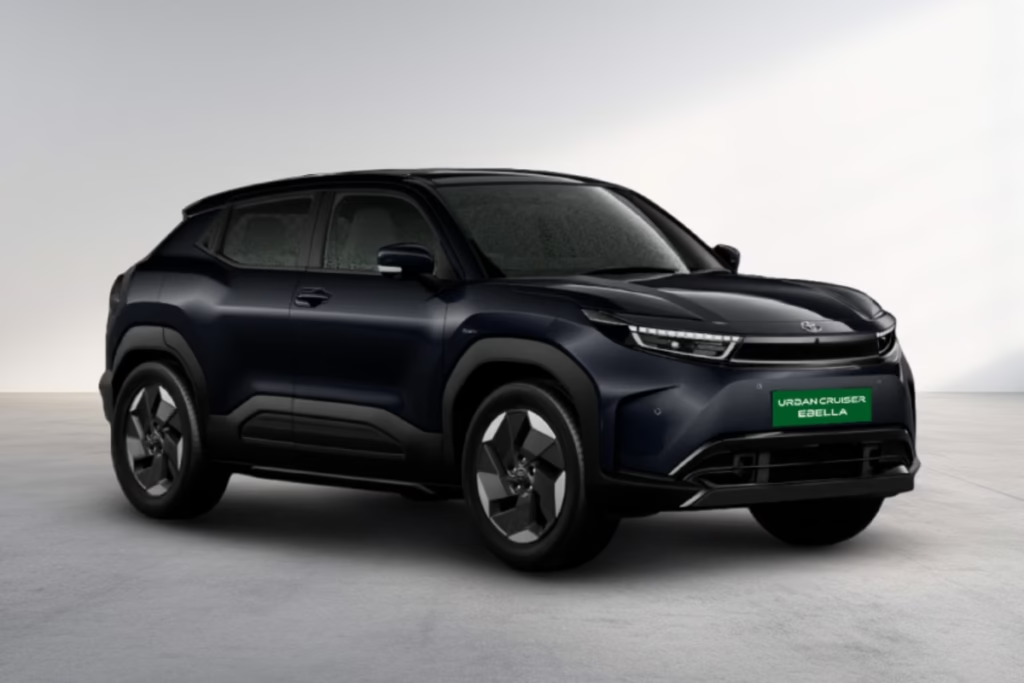
Starting with the Toyota Urban Cruiser Ebella, the SUV features a bold stance at the front with a completely different visual identity. It carries a more distinctive face compared to the e-Vitara, thanks to Toyota’s signature hammerhead-style front grille.
The EV gets a full LED headlamp setup, paired with LED DRLs and a connected light bar. Premium dual-tone paint options and sculpted body elements further enhance its road presence, which could attract a lot of buyers in the future.
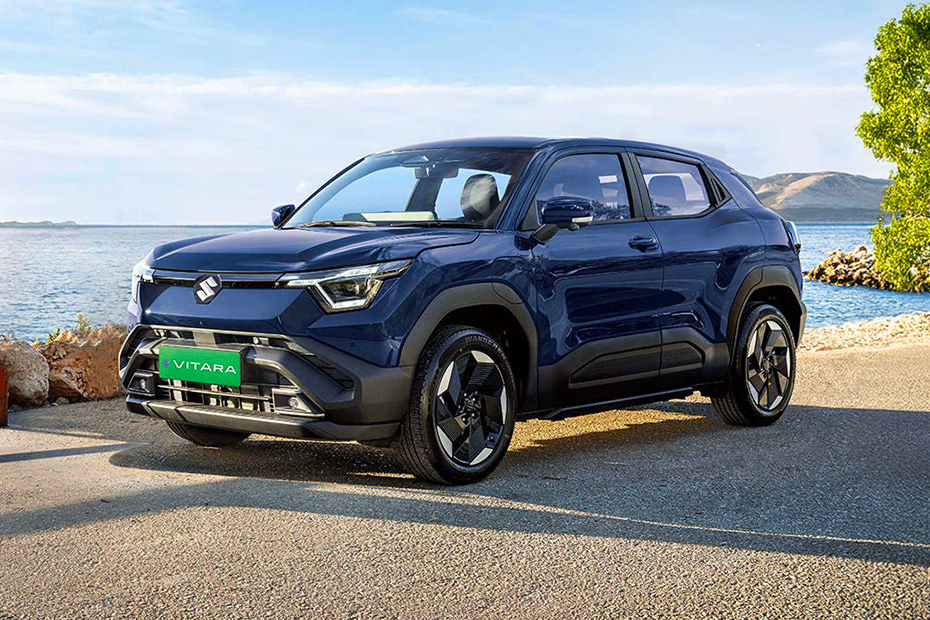
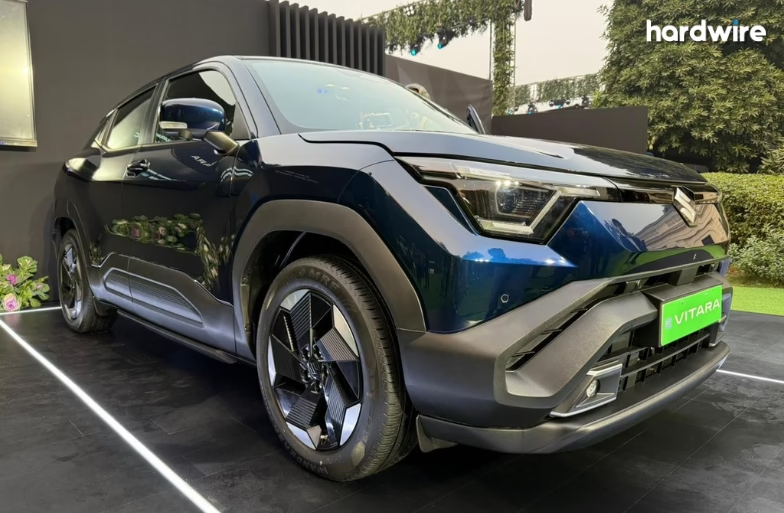
On the other hand, the Maruti Suzuki e-Vitara offers a more modern and balanced design with clean lines. It also features a full LED lighting setup with LED DRLs and connected taillamps at the rear. While both SUVs look contemporary, the Urban Cruiser Ebella scores extra points in terms of boldness and visual appeal.
Powertrain Options
Mechanically, both vehicles are identical. The battery packs and motor outputs remain the same, meaning customers get two battery options — 49 kWh and 61 kWh. The smaller battery produces 144hp, while the larger unit delivers 174hp. Both models offer an identical 189 N · m of peak torque.
As for range, reports suggest that both the Ebella and e-Vitara could deliver up to 543km on a single charge, depending on driving conditions.
Which One Should You Pick?
Here comes the moment of truth. There’s no denying that both the Toyota Urban Cruiser Ebella and Maruti Suzuki e-Vitara are mechanically identical, with no major differences under the hood.
However, their road presence and brand appeal target slightly different audiences. The Ebella makes more sense for buyers who prioritise bold styling, Toyota’s brand reliability, and a slightly premium feature presentation. Meanwhile, the e-Vitara stands out as an excellent choice for those looking for a well-rounded electric SUV that offers a balance of design, features, and value — potentially at a more attractive price point.
