


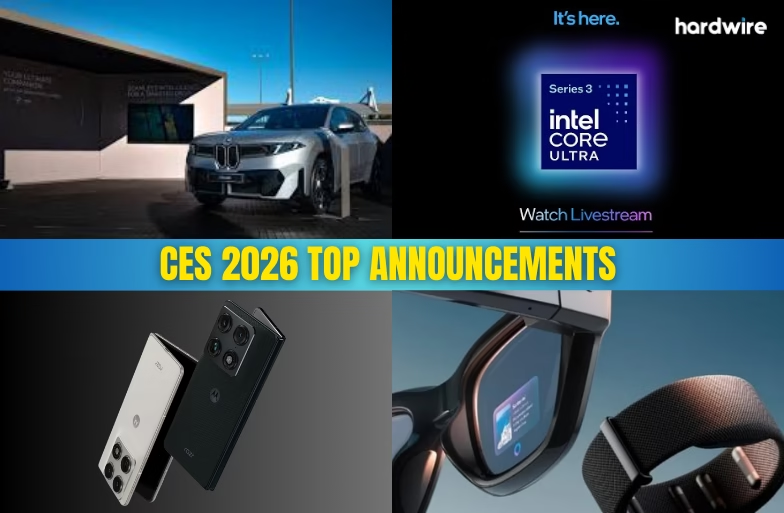
The biggest tech event, the Consumer Electronics Show (CES) 2026, has finally come to an end. The global tech players have participated in the multi-day event held in Las Vegas, showcasing their latest innovations and upcoming offerings for the year ahead. From foldable smartphones and AI-powered laptops to futuristic mobility solutions, CES 2026 clearly set the technology roadmap for consumers in 2026.
Big Announcements of CES 2026
In this article, we have listed some of the top announcements from CES 2026 — innovations that are not only important but are also playing a major role in reshaping their respective verticals.
Motorola Razr Fold
At CES 2026, Motorola pushed boundaries by expanding its iconic Razr lineup into the book-style foldable smartphone segment. Unlike clamshell foldables, the Razr Fold features a new folding mechanism that transforms the device from a smartphone into a tablet, targeting users who want productivity along with multitasking capabilities.

Key highlights:
- Main display: 8.1-inch LTPO AMOLED foldable screen
- Cover display: 6.5-inch AMOLED outer display
- Processor: Flagship Snapdragon 8-series chipset
- Battery: Approx. 4,800mAh with fast charging support
- RAM & storage: Up to 16GB RAM and 1TB internal storage
- Software features: Multitasking-focused UI with AI-based productivity tools
AI Wearables & Next-Gen Devices
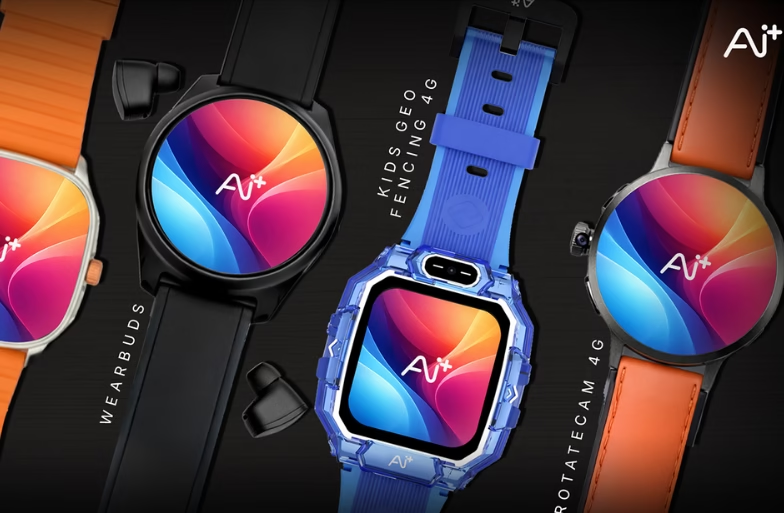
As wearables continue to evolve, AI-driven wearables have emerged as one of the fastest-growing categories at CES 2026. These devices are moving users toward a screen-free experience, positioning themselves as personal AI companions rather than just stylish accessories.
Key highlights:
- Smart glasses with real-time translation and navigation
- Built-in AI processors for on-device intelligence
- Voice-first interaction replacing traditional touch inputs
- Privacy-focused local AI processing
- Lightweight designs for all-day wear
- Reduced dependency on smartphones for core functions
- Context-aware assistance for everyday tasks
Samsung Galaxy Book 6 Series
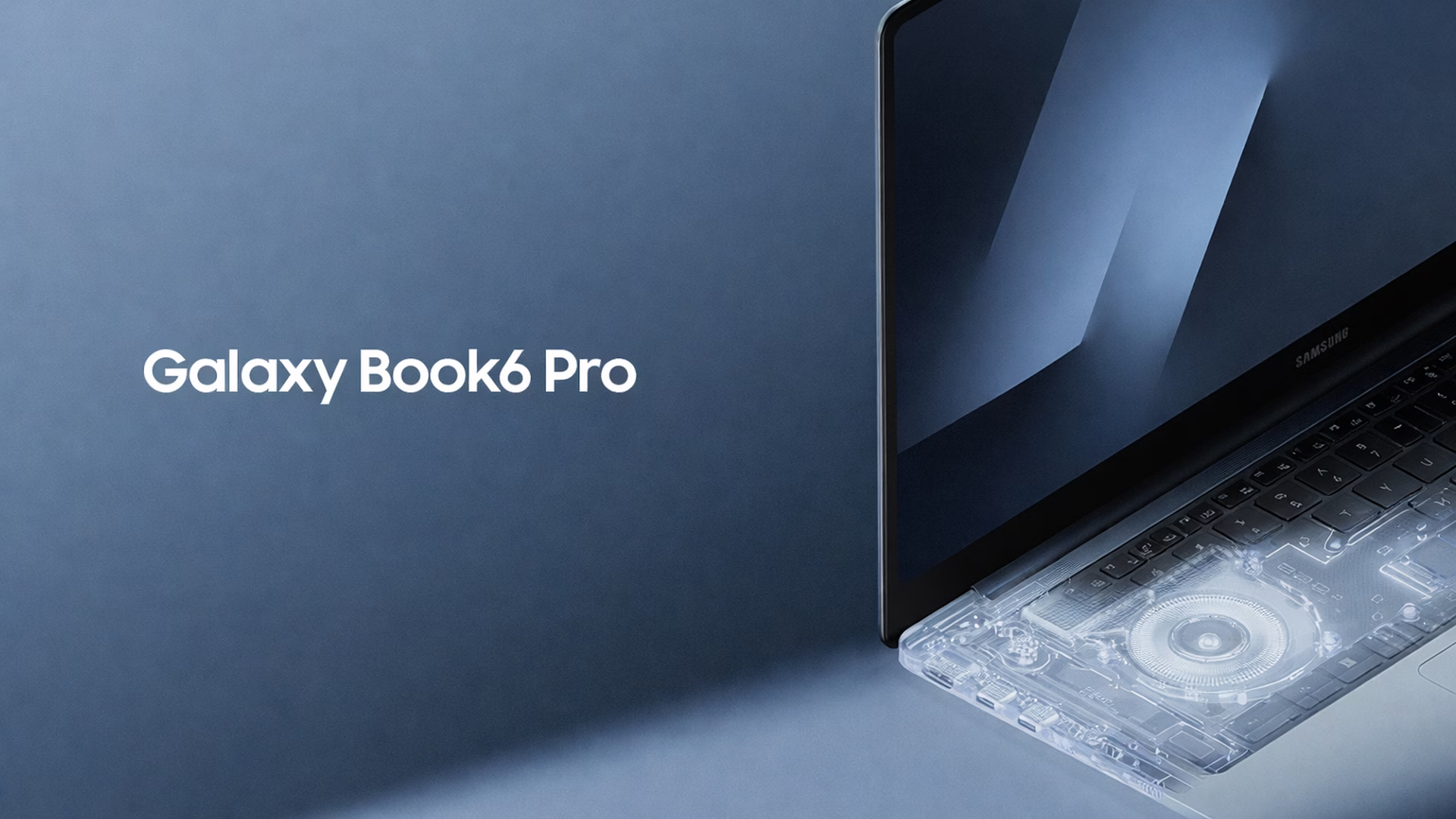
Samsung grabbed attention at CES 2026 with the launch of its Galaxy Book 6 series, expanding its AI PC ecosystem. These laptops are aimed at users who want premium hardware combined with intelligent, on-device AI features for work and creativity.
Key highlights:
- Processor: Intel Core Ultra Series 3
- Display: AMOLED panels with high refresh rates
- Storage: Up to 2TB SSD
- Memory: Up to 32GB RAM
- Battery life: Designed for long hours of usage
- AI-powered tools: Enhanced productivity and workflow optimisation
- Ecosystem integration: Seamless connectivity with Galaxy smartphones and tablets
Intel Core Ultra Series 3
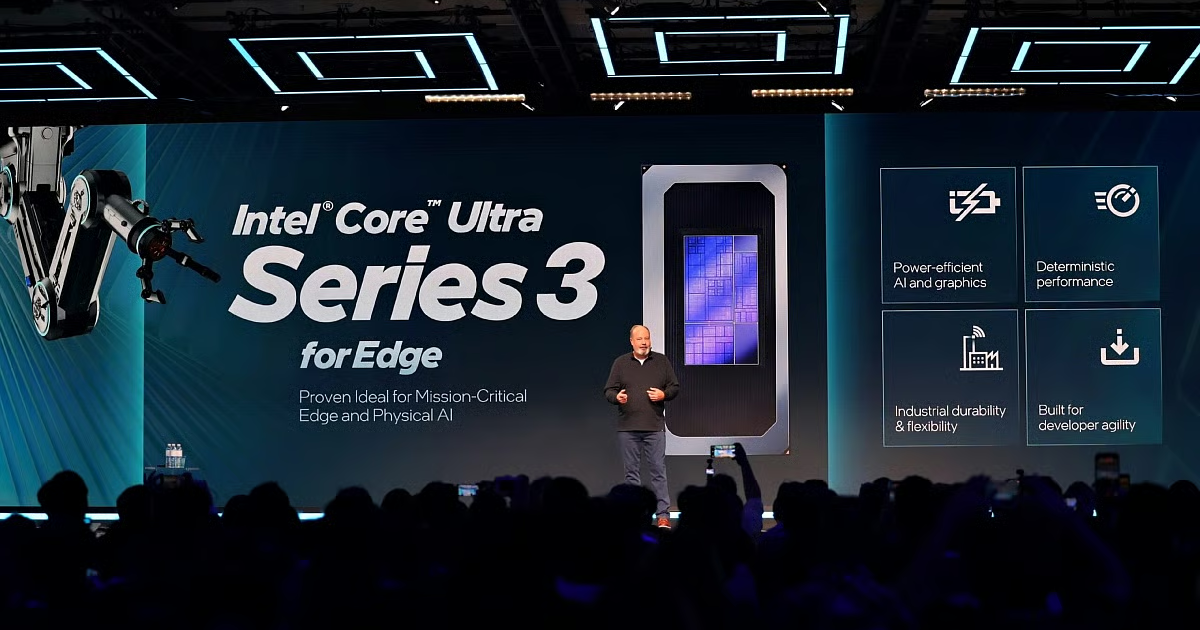
Intel showcased its Core Ultra Series 3 processors, reinforcing its commitment to AI-first computing. These chips are built to power the next generation of AI PCs with improved efficiency and dedicated hardware for AI workloads.
Key highlights:
- Dedicated NPU (Neural Processing Unit) for AI tasks
- Improved CPU and GPU efficiency
- Designed specifically for Windows AI PCs
- Better performance-per-watt compared to previous generations
- Optimised for generative AI and creative workloads
- Reduced power consumption
- Enhanced support for on-device AI applications
Robotaxi & Self-Driving Concepts
Beyond smartphones and laptops, autonomous mobility took centre stage at CES 2026. Several brands showcased robotaxi and self-driving vehicle concepts, highlighting how AI is shaping the future of urban transportation worldwide.
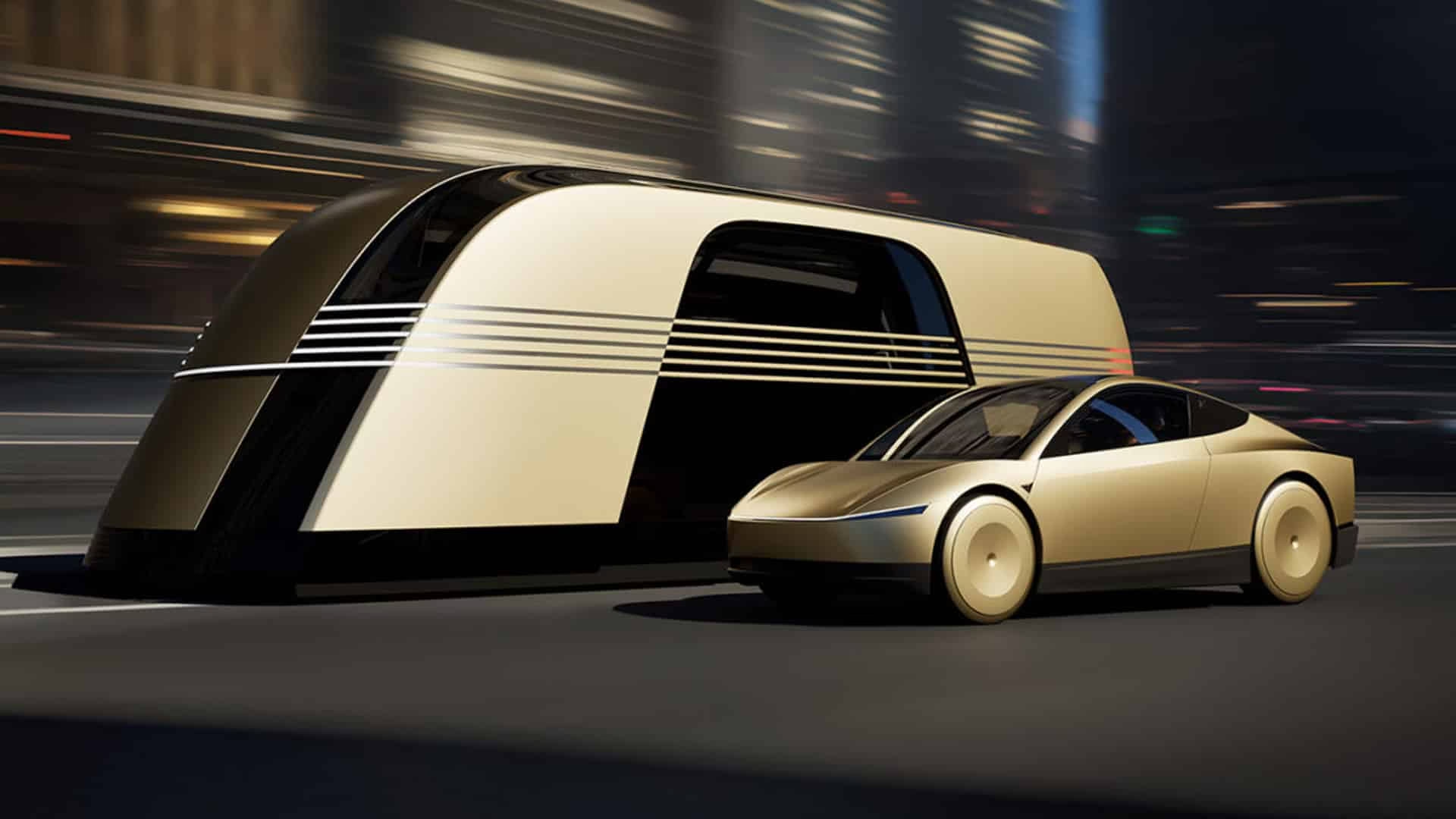
Key highlights:
- Sensor fusion using LiDAR, radar, and camera systems
- AI-powered autonomous driving platforms
- Cabin-focused designs with minimal physical controls
- Strong emphasis on safety and real-time decision-making
- Personalised in-cabin experiences
- Over-the-air (OTA) software updates
- Designed for large-scale urban deployment
Intel Core Ultra Series 3 (“Panther Lake”)
To take laptop performance to the next level, Intel also revealed Panther Lake, its next-generation processor architecture designed specifically for future AI-powered laptops.
Key highlights:
- Built on Intel’s advanced manufacturing process
- Designed for thin-and-light laptops
- Significant improvements in AI and graphics performance
- Long-term support for AI-heavy workloads
- Better performance-per-watt efficiency
- Optimised for next-generation Windows AI features
- Focus on improved battery efficiency
BMW & Mercedes Next-Gen EVs with AI
Luxury carmakers BMW and Mercedes-Benz showcased how AI is transforming electric vehicles into software-defined machines. The focus was not only on performance but also on intelligence, comfort, and user experience.
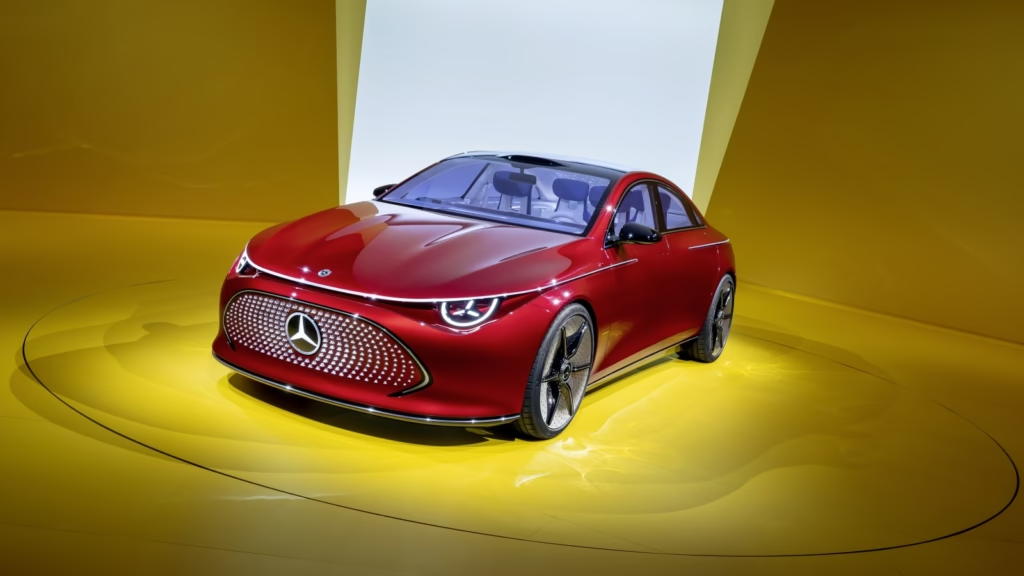
Key highlights:
- AI-powered infotainment systems
- AI-assisted navigation and safety features
- Advanced Driver Assistance Systems (ADAS)
- Intelligent energy and range management
- Over-the-air updates for features and performance
- Large curved displays and AR-based head-up displays
- Software-led vehicle architecture
Transparent OLED TV
Display technology took a futuristic turn at CES 2026 with the introduction of transparent OLED TVs. These displays demonstrated how screens could seamlessly blend into modern living spaces without compromising picture quality.

Key highlights:
- Deep blacks and high contrast despite transparency
- Adjustable transparency levels
- Transparent OLED panels with premium picture quality
- Ideal for luxury homes and commercial environments
- Minimalist and space-saving design
- Represents the future of immersive display technology
- Advanced AI-based picture optimisation
Final Take
The tech industry has witnessed massive growth over the past few years, and CES 2026 clearly showed that the future is bigger, smarter, and more connected. Whether it’s smartphones, processors, laptops, displays, or cars, every innovation showcased at this year’s event is shaping the technology landscape from every direction. CES 2026 once again proved why it remains the most important global platform for consumer technology.
